Patient Acquisition at Hospital Scale: Aligning Paid Media With Real Clinical Capacity
A hospital group can't sell what its doctors don't have time to deliver. By rebuilding paid media around clinic schedules, specialty margin, and verified bookings — not raw lead volume — cost per patient lead dropped 25% while the accounts produced more than 37,500 tracked bookings.
The Challenge
Andalusia runs full-service hospitals and specialized centers across Egypt and the Gulf — dozens of departments, hundreds of doctors, and a patient journey that runs from a late-night symptom search all the way to a surgical admission. Marketing wasn't short on leads. It was short on leads the hospital could actually serve profitably.
Paid media was spending evenly across departments regardless of whether a clinic was fully booked for three weeks or a high-margin surgical specialty was sitting half empty. Call-center teams were buried in enquiries for appointments that didn't exist, while the departments with real capacity stayed quiet.
The mandate: stop buying leads by volume and start buying them by the hospital's ability to convert them into treated patients.
Four Constraints Unique to Hospital Marketing
Capacity is the real ceiling. A booked-out orthopedics clinic converts every extra lead into a complaint. Ad spend has to move with the schedule, not against it.
Not every patient is worth the same. A routine consultation and a surgical case carry vastly different value. Optimizing for total leads quietly starves the departments that pay for the hospital.
Medical claims are regulated. Every promise, price, and outcome statement passes clinical and legal review before it goes live — so creative testing has to be planned in batches, not improvised.
The conversion happens off-platform. A form fill is not a patient. The truth lives in the call center and the appointment system, which means attribution had to reach past the ad platforms.
The Approach: A Capacity-Led Media Model
Mapped every campaign to a department and a branch. Each specialty got its own campaign, budget, and message, so performance could be read at the level where the hospital actually makes decisions.
Synced budgets with clinic schedules. Weekly reviews with operations moved spend away from fully booked clinics and into departments and time slots with open availability.
Rebuilt the funnel around verified bookings. Success was redefined from form submissions to confirmed appointments, and campaign optimization followed the confirmed number.
Refreshed audiences and cut wasted overlap. Segmented by condition intent, catchment area around each branch, and patient stage — ending the overlap that was inflating frequency and cost.
Put doctors on camera. Specialist-led educational video replaced generic hospital brand footage — it cleared medical review faster and outperformed everything else on social.
Reported one number to leadership. A single dashboard tied spend, leads, confirmed bookings, and cost per booking together by department, so budget arguments ended in data.
Google Ads: Owning the Moment of Need
Search was the backbone. Patients look for hospitals the moment a symptom becomes urgent — so the account was built to be present on condition, specialty, and near-me searches around every branch catchment.
| Account | Impressions | Clicks | Conversions | Spend (SAR) |
|---|---|---|---|---|
| Andalusia Hospitals — ALW | 55.2M | 1.17M | 21,000 | 1.29M |
| Andalusia KSA — Kids Center | 1.1M | 1.11M | 16,500 | 1.97M |
| Combined | 56.3M | 2.28M | 37,500+ | 3.26M |
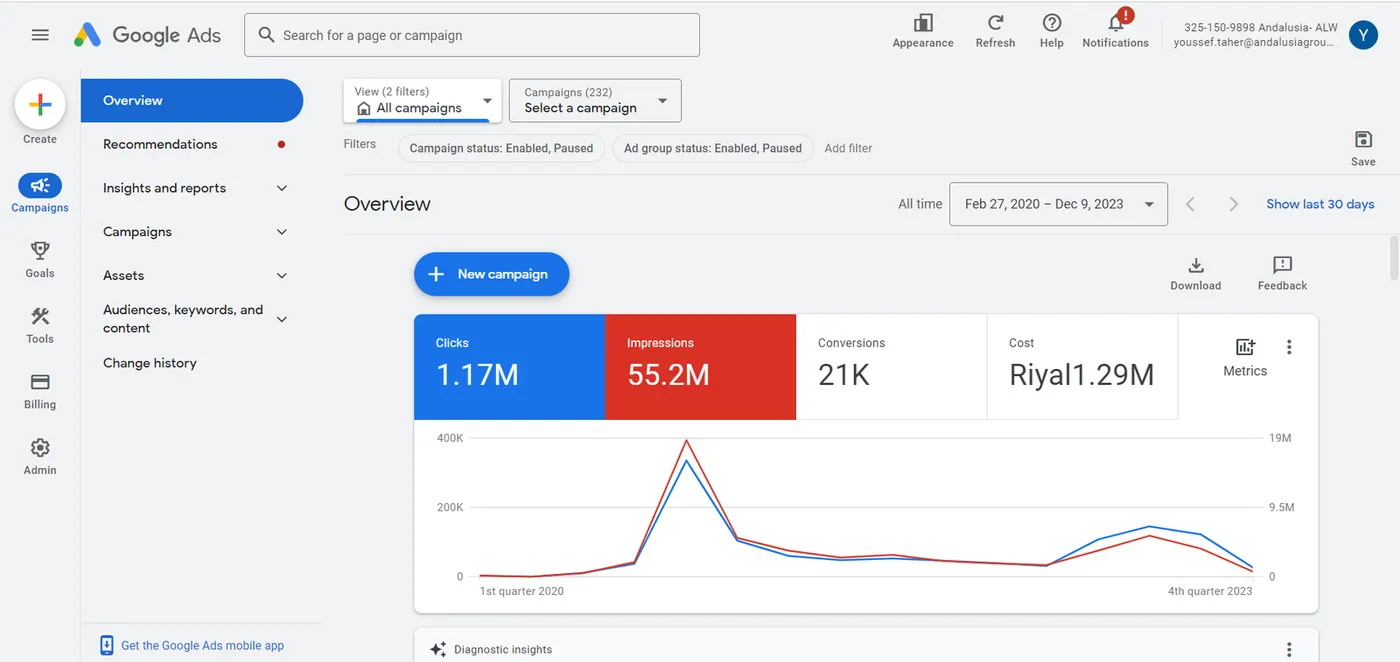
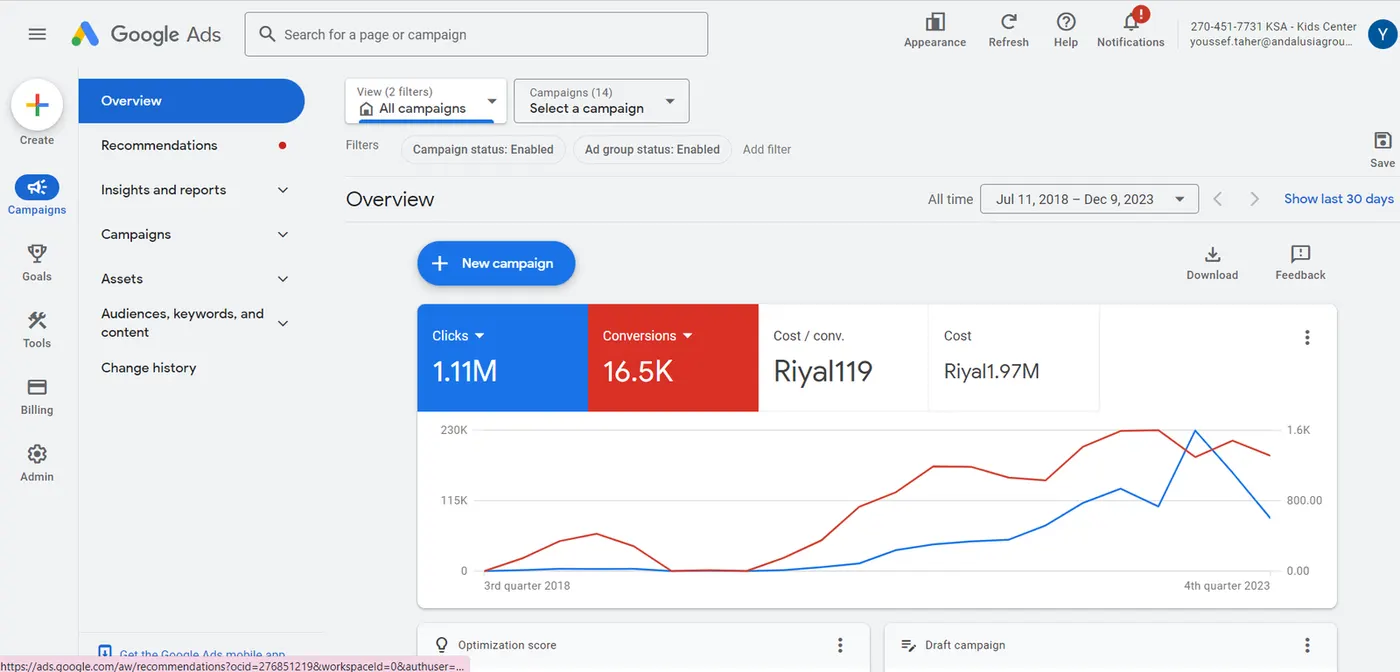
Cost per patient lead fell 25% across the restructured accounts — not by cutting bids, but by removing the departments, geographies, and hours that were generating enquiries the hospital could never convert.
Social: Building Demand Before the Search Happens
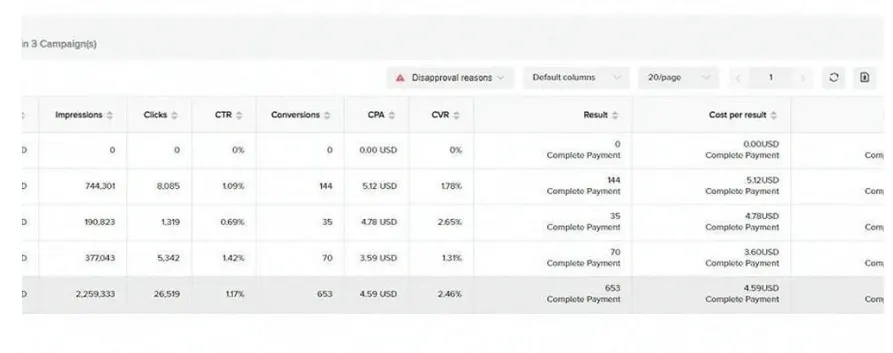
Search only captures patients who already know they need care. TikTok and Meta were used to create that awareness earlier — specialist doctors explaining symptoms, procedures, and when to actually come in.
Educational, doctor-led video consistently beat polished hospital brand films on watch time, cost per click, and downstream booking rate. It also cleared medical and legal review far faster, because a specialist explaining their own field makes no marketing claim that needs rewriting.
The Key Insight
"In healthcare, the most expensive lead isn't the one that costs the most — it's the one nobody in the hospital has the capacity to treat. The moment we started pacing budget against real clinic availability, cost per patient dropped without touching a single bid."
What This Project Demonstrates
Marketing has to respect operations.
Campaigns that ignore delivery capacity don't grow revenue — they grow complaints and refunds.
Optimize for the outcome, not the form.
Switching the target from submitted forms to confirmed appointments changed which campaigns looked successful — and which ones were quietly wasting money.
Expertise outperforms production value.
A specialist talking to a camera beat professionally produced brand video on every metric that mattered.
Regulated industries reward planning.
Batching creative through clinical and legal review turned compliance from a bottleneck into a predictable part of the testing calendar.
Related Case Study
Scaling a 60-Branch Medical Lab Network Across Google, Meta, and Snapchat
23 months, 7.2M+ SAR managed, and a 90% cut in Google Ads cost per conversion.
Getting plenty of enquiries but not enough booked patients?
I help healthcare and multi-branch service brands build paid media around what they can actually deliver — so every riyal goes to demand the business can convert.